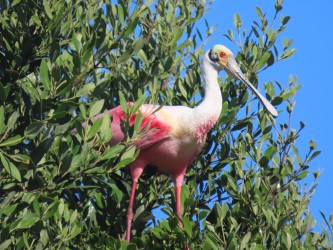
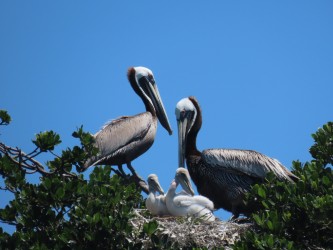
Tampa, Fla. (February 17, 2026) — Port Tampa Bay’s commitment to habitat restoration is enhancing critical nesting habitat for rare and protected bird species at the Richard T. Paul Alafia Banks Sanctuary.
The Critical Wildlife Area consists of two former dredge disposal islands — Bird Island and Sunken Island — at the mouth of the Alafia River in Tampa Bay. The islands are owned by Port Tampa Bay and Mosaic Co. and are managed in partnership with Audubon Florida. Designated as a protected nesting area, the sanctuary supports habitat management efforts that increase nesting space and capacity for rare and protected bird species in Hillsborough Bay.
The investment funded targeted rehabilitation and remediation work to improve nesting conditions and safely support larger bird populations. Completed improvements stabilized island features, restored suitable nesting surfaces and strengthened resilience to erosion, storms and sea-level rise. This work benefited 17 species of nesting waterbird birds, including five state-threatened species.
“These islands are a critical nesting area in Tampa Bay, and this project was designed to create space for additional nests and support healthier breeding outcomes,” said Port Tampa Bay President and CEO, Paul Anderson. “This investment helps ensure birds have safe, reliable habitat while advancing long-term environmental sustainability alongside port operations.”
The islands function as isolated, predator-resistant nesting sites, making them especially valuable for colonial nesting birds. The expanded capacity supports population stability and long-term species health in the bay.
“Port Tampa Bay’s targeted habitat investment will help vulnerable bird species successfully breed on the islands,” said Julie Wraithmell, executive director of Audubon Florida. “Sustaining healthy waterbird populations in Tampa Bay is dependent on continued projects like this that protect, restore and create crucial habitat.”
Port Tampa Bay coordinated with environmental professionals and regulatory partners to ensure the project met conservation standards and supported regional ecosystem goals. The improvements align with the port’s long-standing commitment to environmental stewardship, habitat restoration and sustainable maritime development.
“As Tampa Bay continues to grow, thoughtful environmental investments like this are essential,” Anderson said. “Creating more nesting space today helps protect the ecological balance of our bay for the future.”
Port Tampa Bay continues to integrate conservation into its operations and long-term planning, reinforcing its role as Florida’s largest port by tonnage and a steward of Tampa Bay’s natural resources.
###
About Port Tampa Bay
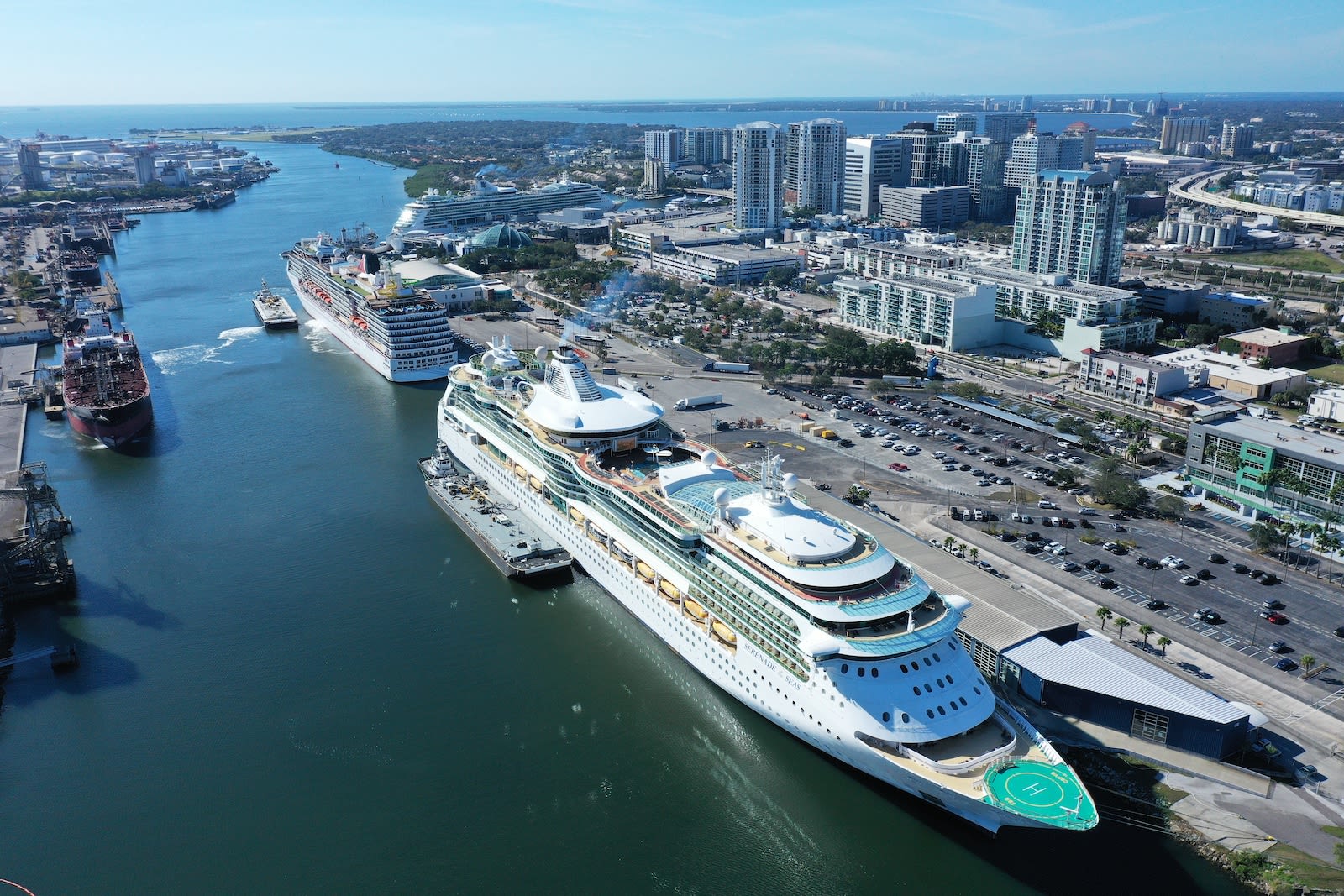
Port Tampa Bay is Florida’s largest and most cargo-diverse seaport, serving as a critical gateway for global trade and travel. Strategically located on Florida’s west coast, the port spans more than 5,000 acres and provides efficient access to Florida’s largest consumer market and the broader Southeast.
A top 10 U.S. cruise port, Port Tampa Bay welcomes more than 1.5 million cruise passengers annually while handling a wide range of cargo, including bulk, breakbulk, containers, refrigerated goods and roll-on/roll-off freight. The port also is a major center for shipbuilding and repair.
As a key economic driver for the region and the state, Port Tampa Bay supports more than 192,000 jobs and generates about $34 billion in annual economic impact, advancing Florida’s growth across the maritime, logistics, manufacturing, energy, construction and tourism sectors.
About Audubon Florida
Audubon Florida protects birds and the places they need, today and tomorrow. Audubon works throughout the Americas using science, advocacy, education, and on-the-ground conservation. State programs, nature centers, chapters, and partners give Audubon an unparalleled wingspan that reaches millions of people each year to inform, inspire, and unite diverse communities in conservation action. A nonprofit conservation organization since 1900, Audubon believes in a world in which people and wildlife thrive. For more information, visit fl.audubon.org