
Cargo Overview
Port Tampa Bay is redefining Florida’s supply chains. With expanding capacity and more growth on the horizon, it is ready to move your business forward. Port Tampa Bay delivers faster access, lower inland delivery costs, and unmatched efficiency compared to other gateways. We’re not just keeping pace; we’re setting the standard for cargo throughput in Florida and beyond.
Florida’s Largest Port…and Growing
Global Connections Shaping Florida’s Growth
Port Tampa Bay’s story begins in the late 19th century, when Henry B. Plant’s railroad and steamship line put Tampa on the map, connecting a small Gulf Coast town to global trade routes and ushering in a new age of maritime strength. What started with phosphate, cattle, and cigars quickly grew alongside Florida’s booming economy, transforming the port into a center of industry.
Today, Port Tampa Bay proudly stands as Florida’s largest and most diversified seaport – handling bulk commodities, petroleum, containers, and cruise passengers with unmatched efficiency. More than a port, it’s a gateway for international trade, regional distribution, and world‑class tourism, fueling prosperity and shaping Florida’s economic future.
Our Capabilities
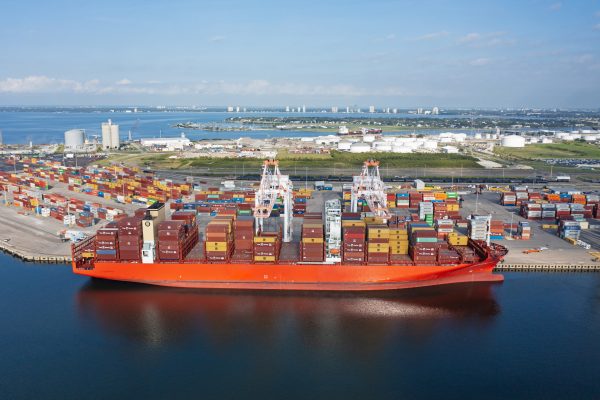
Global Connectivity Drives Trade
Port Tampa Bay is redefining supply chain efficiency with new and expanding direct services to Asia, Mexico, and Central America. It’s a rising force in Florida’s container market. Strategically anchoring the state’s I-4 Corridor, home to nearly half of Florida’s 23 million residents and the majority of its 146 million annual visitors, the port is a clear and vital asset to the highest concentration of distribution centers in the state.
From this central hub, importers and exporters gain a competitive edge with lower trucking costs, faster delivery times, and reduced carbon emissions. Retail, e-commerce, food and beverage, and manufacturing sectors are increasingly turning to Port Tampa Bay to meet growing demands for same-day service and tighter delivery windows.
In partnership with Ports America, the port continues to scale up: now featuring a 100-acre container terminal (with a third deep-water berth underway), a new gate complex, and six post-Panamax cranes to handle increasing volumes with speed and precision.
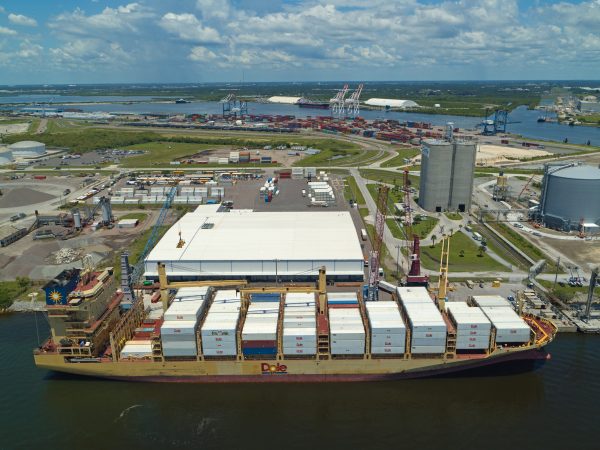
Your Cold Chain Command Center
Near the heart of Florida’s grocery and food & beverage distribution corridor, Port Logistics Refrigerated Services offers a state-of-the-art, 14-acre, 135,000-square-foot, on-dock, cold storage facility designed for speed, scale, and freshness. The terminal has a 700-foot berth equipped with two dedicated mobile harbor cranes – ensuring fast, efficient cargo handling. The facility was purpose-built for high-performance logistics.
It features:
- On-site refrigerated fumigation services.
- Advanced glycol refrigerant cooling system.
- 250 reefer plugs for maximum container capacity.
- USDA and CBP inspection labs for seamless compliance.
A Windfall for Perishable Importers and Exporters
Enhanced ocean container services now include weekly sailings from Costa Rica via SeacatLine, and new weekly routes from Honduras and Guatemala through Dole Ocean Cargo Express – bringing Central America’s freshest goods straight to Florida’s doorstep.
Your Global Trade Advantage
The Tampa Bay/I-4 Corridor Foreign Trade Zone (FTZ) is a launchpad for international success. It helps importers (and exporters too) streamline operations, slash costs, and boost competitiveness. Whether you're importing, exporting, manufacturing, or distributing, the FTZ delivers powerful advantages that elevate your logistics strategy, enhance compliance, and improve cash flow.
FTZ companies unlock benefits by aligning operations with import/export strategies, leveraging duty deferral, reducing fees, and optimizing logistics. Success depends on goods, direction, volume, and a location near major distribution corridors for faster turnaround and multi-modal transportation access.
The benefits span every mode of transportation – ocean, air, rail, truck, and pipeline – and almost every commodity and industry. From food-grade goods and pharmaceuticals to steel, cosmetics, and heavy machinery, FTZ #79 can be a strategic asset for long-term growth and global reach.
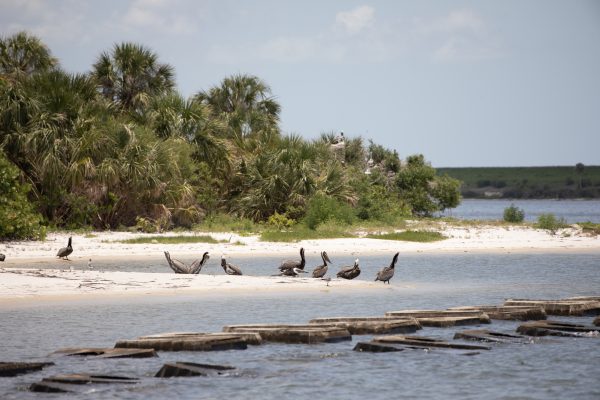
Commerce Meets Conservation
Port Tampa Bay has been ahead of the curve on environmental stewardship since the 1970s, when it became one of the first U.S. ports to launch a dedicated environmental department. Today, that commitment is woven into everything the port does. From stabilizing shorelines and restoring wetlands to cleaning up waste and improving water quality, the port takes a hands on approach to protecting Florida’s coastal treasures.
One of its most unique efforts is a partnership with the U.S. Army Corps of Engineers. Together, the two maintain and improve Tampa Bay’s deep shipping channels – vital for the region’s economy – while also creating unexpected havens for wildlife. The sand and soil dredged up from these channels are placed on disposal islands in Hillsborough Bay, which end up looking and functioning like natural beaches. Each spring, thousands of terns, gulls, skimmers, and oystercatchers flock to these islands to nest, a phenomenon so important that BirdLife International and the Audubon Society have recognized its global significance.
To keep the birds safe, dredging is carefully scheduled outside the April–August nesting season, and biannual Migratory Bird Protection Committee meetings ensure operations stay bird friendly. The result? A thriving partnership that successfully balances commerce with conservation.
Port Tampa Bay is a powerful ally for coastal ecosystems.
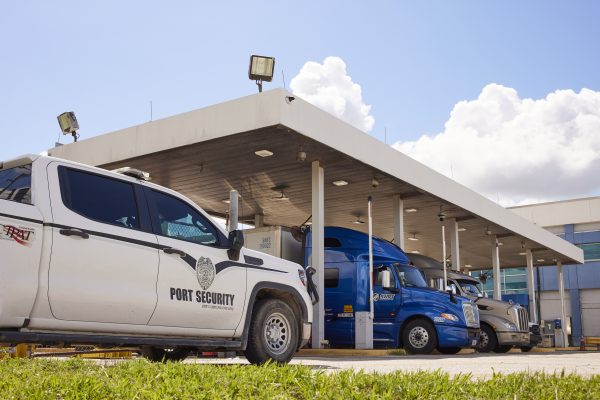
Reliable, Resilient, Ready
At Port Tampa Bay, safety isn’t just a priority – it’s a promise. Working around the clock, a dedicated Safety and Security Department creates a safe, resilient, and welcoming environment for the workforce and everyone who visits or does business at Florida’s largest port.
With a cutting-edge Security Operations Center running 24/7, the port keeps a close eye on access control, patrols, and emergency response, all in partnership with the Hillsborough County Sheriff’s Office and other trusted law enforcement allies.
Tampa Bay was the first U.S. port accredited under the National Maritime Law Enforcement Academy’s Port Digitization and Maritime Security Accreditation Program. The name may be long, but it’s an important one, reflecting the gravity of seaport security in today’s world. The port expertly blends physical, digital, and cyber protections to safeguard critical infrastructure, cargo, and passengers. Thanks to generous federal security grants, the port continues to invest in stronger facilities, including a heavy weather building, and it regularly trains with local, state, and federal agencies to stay sharp and ready.
This dynamic, all-in approach reflects Port Tampa Bay’s unwavering commitment to protecting lives, assets, and commerce, while fueling the port’s role as a vibrant economic engine for the region. Safety here isn’t just serious business – it’s smart, proactive, and built to help the community thrive.
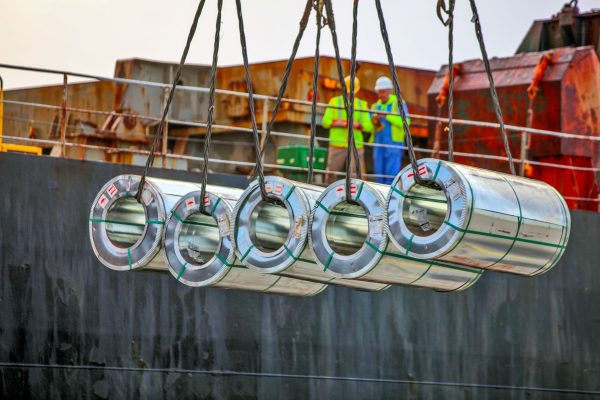
Big Cargo, Big Opportunities
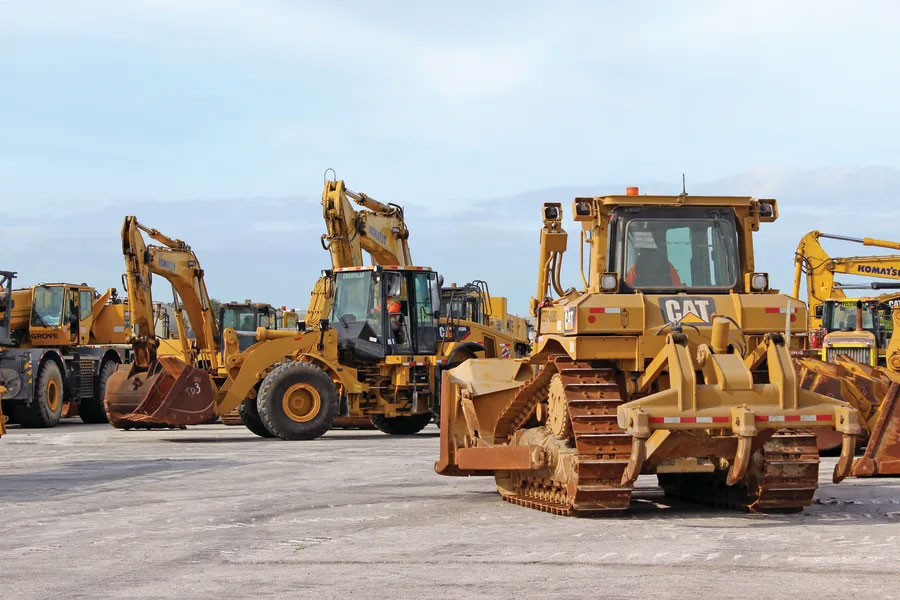
Florida is booming, and with that growth comes a big demand for building materials. Port Tampa Bay is a gateway for construction cargo, welcoming items such as steel, aluminum, bagged cement, and heavylift cargo that keep construction projects across the state moving forward.
Steel is one star of the show here. Port Tampa Bay proudly holds the title of Florida’s largest steel port, boosting a two-way trade that features outbound finished steel products, as well as scrap metal, and almost any conceivable sort of inbound structural steel product.
Of course, lumber is also a solid breakbulk trade. Newcomer carrier, Ultrabulk, is handling strong and steady breakbulk shipments that are helping Florida’s home improvement and construction industries thrive today.
With more than 6,000 feet of berth space and nearly half a million square feet of warehouse and laydown area, Port Tampa Bay has the infrastructure muscle to handle major breakbulk operations. Multiple capital investment projects are on the books to support this line of business. Port Tampa Bay is not just keeping pace with Florida’s growth, it’s driving it.
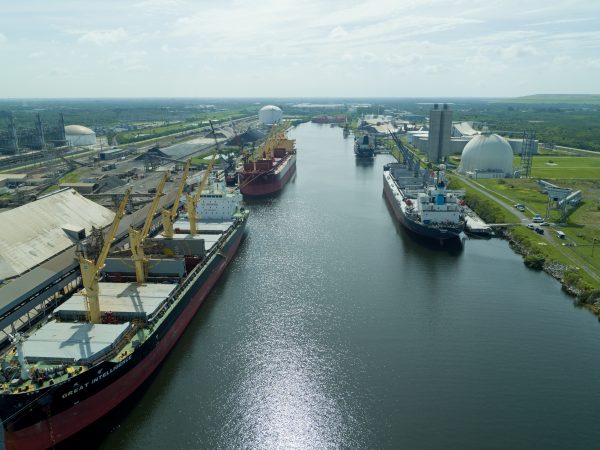
A Legacy from Fertilizer to Fuel
Mountains of phosphate have moved out through Port Tampa Bay ever since the essential fertilizer component was first discovered in Central Florida back in the late 1800s. It still helps grow the crops that feed the world, and some 150 years later, remains a cornerstone of port export activity.
Energy, however, has taken the baton from phosphate as Tampa Bay’s top cargo. The port delivers nearly 15 million tons of petroleum products each year, including gasoline, diesel, and jet fuel for major airports. Most stays in west and central Florida, where the state’s population continues to skyrocket. More than 43% of Florida’s petroleum flows through the port. A recent public-private partnership to upgrade the REK Petroleum Terminal Complex has solidified the port's role as the region's energy gateway for decades to come.
Other top bulk commodities include granite, limestone, cement, gypsum, and similar aggregates. This sector has mammoth growth prospects, as Florida tries to keep up with demand created by upwards of a thousand people per day moving into the state.
Another claim to fame, as the port is located in the Citrus Capital of the World, is a large-volume, two-way trade in citrus juice concentrate. Not only does Florida export its product, it also imports juice to supplement supply and blend for consistency and cost.
Tens of millions of tons of liquid and dry bulk make for a massive line of business. Port Tampa Bay stands as Florida’s undisputed bulk cargo champion.
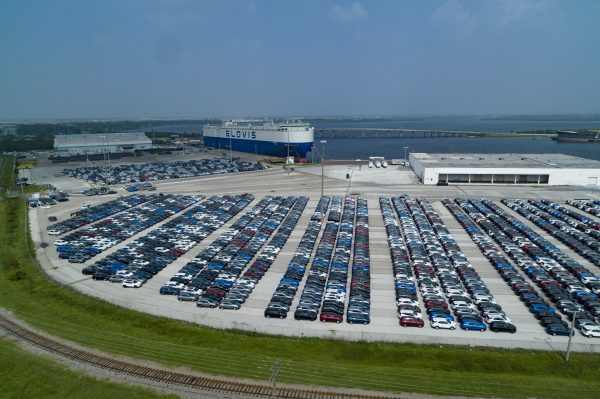
Keeping up with Florida’s Car Culture
Florida loves its cars. It’s the thirdlargest state for vehicle purchases in the U.S. Thanks to Tampa’s perfect position across the Gulf from Mexico, an emerging leader in global automotive production, shortsea shipping ensures vehicles arrive quickly, safely, and costeffectively.
To meet growing demand, Port Tampa Bay has invested in stateoftheart terminal facilities dedicated to handling new automobiles, giving manufacturers a smarter, faster way to move their products. Shortsea shipping doesn’t just save time, it also reduces the risk of damage, speeds up processing, and streamlines distribution.
Florida’s burgeoning population is buying cars. Well over two million of them last year. That makes Port Tampa Bay’s auto trade more important than ever, ensuring vehicles arrive ready to hit the road.
With efficiency, reliability, and a central location, Port Tampa Bay is helping auto manufacturers finetune their supply chains while keeping Florida’s buyers very happy.
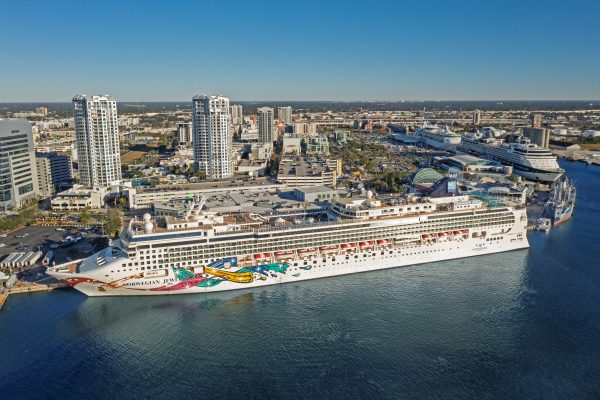
Effortless Adventures
Port Tampa Bay is the cruise capital of Florida’s Gulf Coast, offering everything from quick four day getaways to 14day adventures across the Caribbean. With eight homeported ships from Carnival, Celebrity, Royal Caribbean, Norwegian, and Margaritaville at Sea, it’s no wonder more than 1.5 million passengers set sail from Tampa every year.
Your arrival couldn’t be easier. Whether you’re flying into Tampa’s award winning international airport or hopping off I4, you’re just minutes from worldclass cruise terminals. And the welcome is warm; port and city officials team up with the tourism industry to make sure every guest feels like a VIP.
The fun starts even before you step on the ship. Tampa offers amazing pre and post cruise adventures: stroll the scenic Riverwalk, explore The Florida Aquarium, dine at Sparkman Wharf, shop Water Street, or soak up the history of Ybor City.
Want to venture a little farther? You’re in luck. Tampa Bay is surrounded by some of the world’s best beaches, thrilling theme parks, vibrant craft breweries, and award winning restaurants.
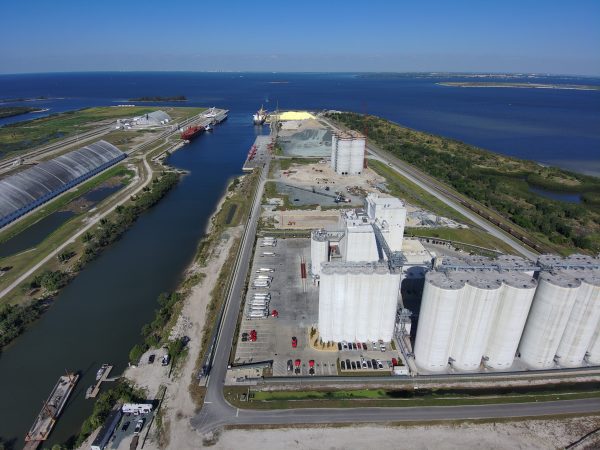
Strategic Sites for Global Trade
Port Tampa Bay isn’t just Florida’s largest port by tonnage, it’s also the biggest by land. With more than 1,000 acres of industrially zoned property featuring deepwater access, the port has plenty of room to grow and expand cargo facilities. These sites are tailormade for manufacturing, logistics, warehousing, and cargo handling operations, giving businesses a prime spot to plug into global trade.
And it’s not all waterfront. The port also offers 265 acres of non-waterfront industrial real estate, perfect for maritime related industries that still need easy access to the action. With CSX Rail and the interstate highway system at hand, moving goods in and out is seamless.
Strategically located at the crossroads of major east west and north south shipping lanes, and with a game-changing harbor channel deepening and widening underway, the port is ready to handle bigger, wider, deeper, longer ships, and more cargo than ever before.
At Port Redwing in southern Hillsborough County, more than 50 acres are available. Southbay offers another 135. To support off waterfront tenants, the port even offers a flexible common area for periodic transfers of goods. The fast-growing Redwing satellite facilities are served by the already deepened and widened Big Bend Channel (43 feet deep, 250 feet wide, thanks to a unique “P5” partnership between federal, state, and private players).
While they might be smaller, there are plenty of other sites available on the port’s main peninsula at Hooker’s Point, at East Port, Port Sutton, Pendola Point, Port Ybor and even along the downtown waterfront at Channelside. The sky’s the limit.
Backyard Boom
Tampa Bay’s industrial real estate market is booming. Hillsborough County alone added more than five million square feet of new industrial space in 2024, one of the fastest growth rates in the Southeast. That sets the stage for Florida’s next wave of industrial and maritime success, launched from a waterfront land portfolio second to none.

Frequently Asked Questions
How do I schedule a shipment?
- If you are scheduling a shipment for export or import via Port Tampa Bay, visit our Sailing Schedule page to contact one of our ocean carriers.
- If you need help with your logistics, there is a list of Customs Brokers and Freight Forwarders in our online Directory.
What will Port Tampa Bay charge me to ship my shipment?
No, individual shippers are not charged. Rates are charged to the port terminal operators and ocean carriers.
How do I track my shipment?
- Contact your Customs Broker, Freight Forwarder and/or Ocean Carrier to help track your shipment.
Can I ship goods to Europe or South America via Port Tampa Bay?
Visit our Sailing Schedule page to view all of our ocean carriers. Multiple connection points are available.
Does the Port sell shipping containers, how to buy containers?
- The Port does not own or sell shipping containers.
- For a listing of companies that do sell containers please, visit our online Directory under 'container & chassis sales, lease & repair'.
I bought an item from (insert country) and it says that the item is coming to Tampa?
"Tampa" does not mean that the "Port of Discharge" is the Port of Tampa/Port Tampa Bay.
Check your paperwork and review the Port of Discharge or the Final Destination.
Having a Freight Forwarder and/or Customs Broker can be very helpful.