
Environmental
At Port Tampa Bay, industry and nature thrive side by side. As one of the first ports with a dedicated environmental program, its commitment to a healthy bay runs deep.
Natural Resources
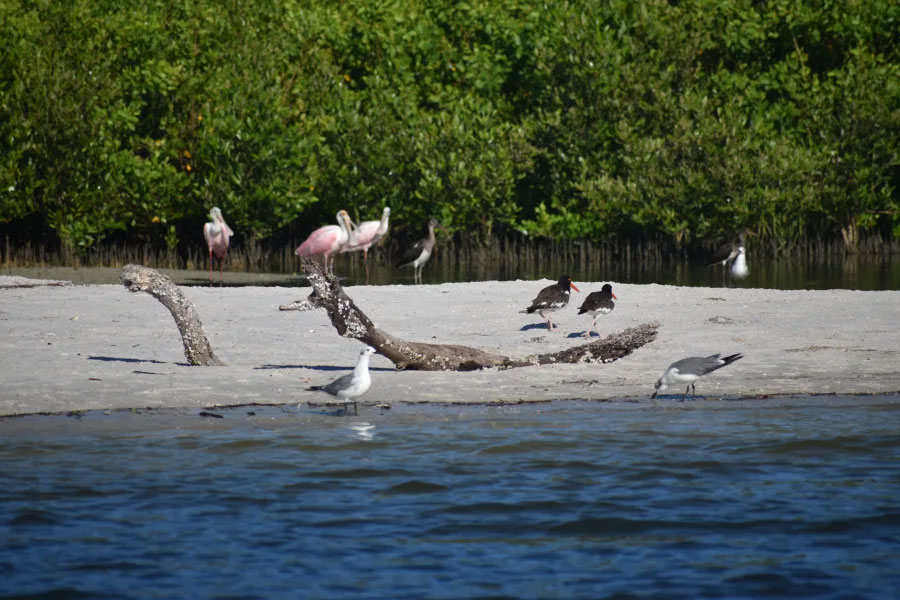
From tidal wetlands and mangrove forests to thriving nesting-bird colonies in Hillsborough Bay, the port’s restoration projects create vibrant habitats and improve water quality. In one leading-edge initiative, dredge materials are repurposed for beach nourishment and bay recovery, ensuring Tampa Bay’s estuary flourishes.
Pollution Prevention
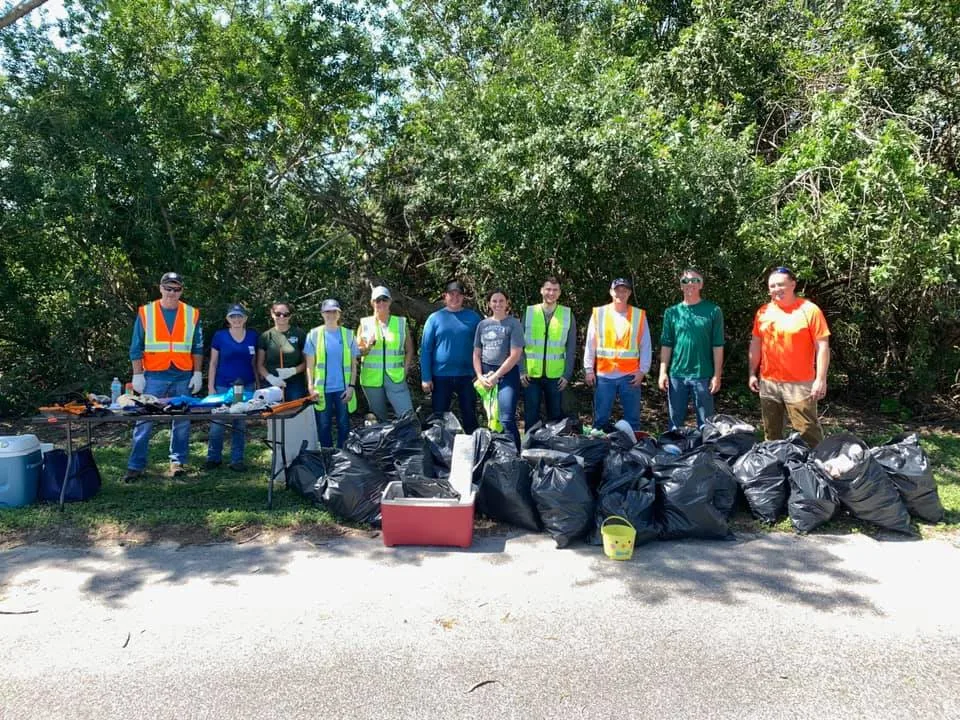
Safeguarding the environment is integral to the port’s growth mindset. It protects air and water on multiple levels, such as through stormwater inspections, coastal cleanups, and an annual Earth Day “Great Port Cleanup.”
After a day knee‑deep in muck, the port has found its volunteers emerge as lifelong champions of the environment sustainability – true partners in the never-ending quest for healthy coastal ecosystems.
At terminals and in storage yards, the maritime community is doing their part too. Electric gantry cranes and reduced truck idling cut emissions, keeping air fresh and skies clear.
Waste Reduction
Port Tampa Bay is steering a steady course toward its sustainable future by reducing waste, conserving energy and raising carbon consciousness, all through a plethora of initiatives.
- Created an internal Maritime Sustainability Team.
- Installed water bottle filling stations and water dispensers.
- Implemented an enhanced recycling program at offices.
- Carried out a detailed Energy Study resulting in significant efficiency updates to lighting, HVAC systems, and more, and, not incidentally, saving the port roughly $260,000 per year in energy costs.
- Constantly research and deliver innovative beneficial use of dredge materials.
- Invested millions cleaning up legacy contaminated industrial sites for redevelopment, and had entire port designated Brownfield Redevelopment Area.
Resiliency and Readiness
With recycling programs, energy saving upgrades, and a Maritime Sustainability Team, the port conserves resources while enhancing resilient infrastructure. On the Port Resiliency Index, developed by the Gulf of Mexico Alliance, the Port scored 95%.
- PTB was the first Port in the nation to be recognized as “Storm Ready” by the National Weather Service.
- It hosts an annual, collaborative hurricane exercise to be ready for hurricane season.
- It has established an off-site operations center that allows the port to operate vital programs in case of an emergency shut down.
- It constructed a new inland heavy weather building to store vital equipment and support emergency response as needed.
- And, it conducted a vulnerability study and adaptation strategies.
Managing more than 200,000 acres of submerged lands, multiple restoration projects have added to the ongoing recovery of Tampa Bay’s habitat and water quality. The port safeguards Tampa Bay’s waters and habitats for generations to come.
Port Tampa Bay is where commerce flows and nature thrives.

Marine Construction Permitting Rules
Marine Construction Permitting Documents
Environmental FAQs
Who needs a marine construction permit?
- Pursuant to Section 25(m) of the TPA Enabling Act, Tampa Port Authority, d/b/a Port Tampa Bay (PTB), permitting jurisdiction is for any proposed structures or work in Hillsborough County that is to be located at, on, waterward of, or over tidal or sovereign submerged water to the jurisdictional boundary of the mean or ordinary high water (M/OHW) elevation line for the project site. There are two types of PTB marine construction project reviews depending on the scope of work, either Minor Work or Standard Work. Please visit our website at https://www.porttb.com/environmental / porttb.com to review our PTB Submerged Lands Management Rules, Engineering Standards for Submerged Land Utility Crossing (PTB Rule Addendum), Enabling Act, Marine Construction Summary, and other information.
Please note, that your marine construction project may require separate application review submittal to the State of Florida (FDEP/ SWFWMD) and/or U.S. Army Corps of Engineers and/or Hillsborough County/City for their permitting jurisdiction. Any electrical work associated with the dock may also require a separate permit from Hillsborough County/City.
If I am applying for a single-family residential property (not located in State of Florida Cockroach Bay Aquatic Preserve portion of Little Manatee River), how do I apply for marine construction Minor Work project through the EPC?
If you wish to move forward with an application to perform this work (dock, lift, kayak launch, floating platform, maintenance dredge, etc.), the application and permit would be processed by the Environmental Protection Commission (EPC) of Hillsborough County Wetlands Division, per the 2009 interlocal delegation agreement. The EPC has limited permitting delegation from PTB, the State of Florida Department of Environmental Protection (FDEP), and U.S. Army Corps of Engineers which would otherwise require separate permitting from each regulatory agency. The review through EPC allows for you to apply to them with 1 application, 1 review fee, and typically 1 permit issued to cover all three regulations. Please visit the EPC’s Wetlands Division webpage for delegated Minor Work Application information (epchc.org / https://www.epchc.org/divisions/wetlands).
What is your permitting jurisdiction over?
Pursuant to Section 25(m) of the TPA Enabling Act, Tampa Port Authority, d/b/a Port Tampa Bay (PTB), permitting jurisdiction is for any proposed structures or work in Hillsborough County that is to be located at, on, waterward of, or over or under tidal or sovereign submerged water to the jurisdictional boundary of the mean or ordinary high water (M/OHW) elevation line for the project site. Jurisdictional waters include tidally influenced waters, Lakes Thonotosassa & Keystone, and Hillsborough River, Little Manatee River, Alafia River and other natural creeks or streams. Pursuant to our Enabling Act, "Waters of the district" means all waters lying within the port district which are affected by the ebb and flow of the tide; Lake Thonotosassa; Lake Keystone; and those portions of the Hillsborough River, Alafia River, and Little Manatee River within the port district upstream from Tampa Bay to the limits of sovereign submerged land ownership.